shadmin

Hearing Aid Technology

The Future of Hearing Aid Technology

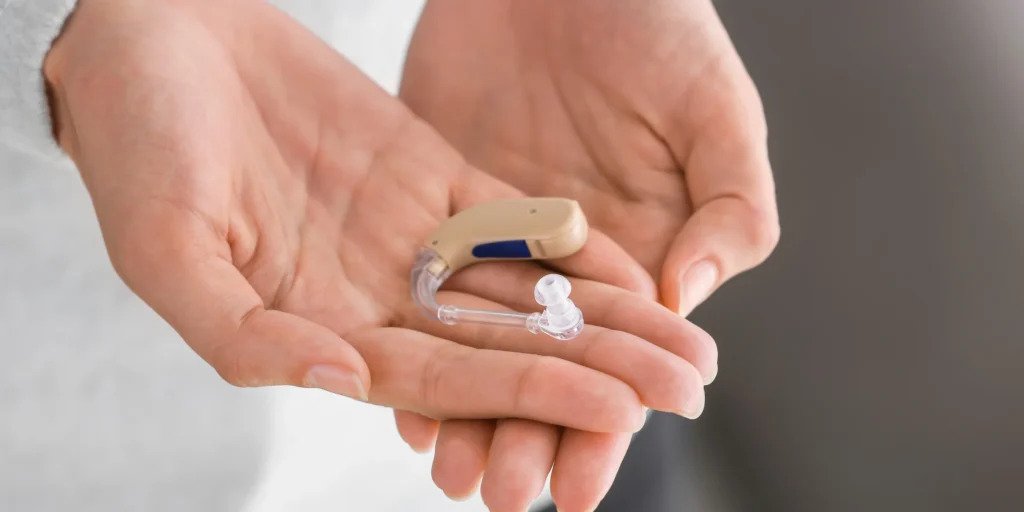
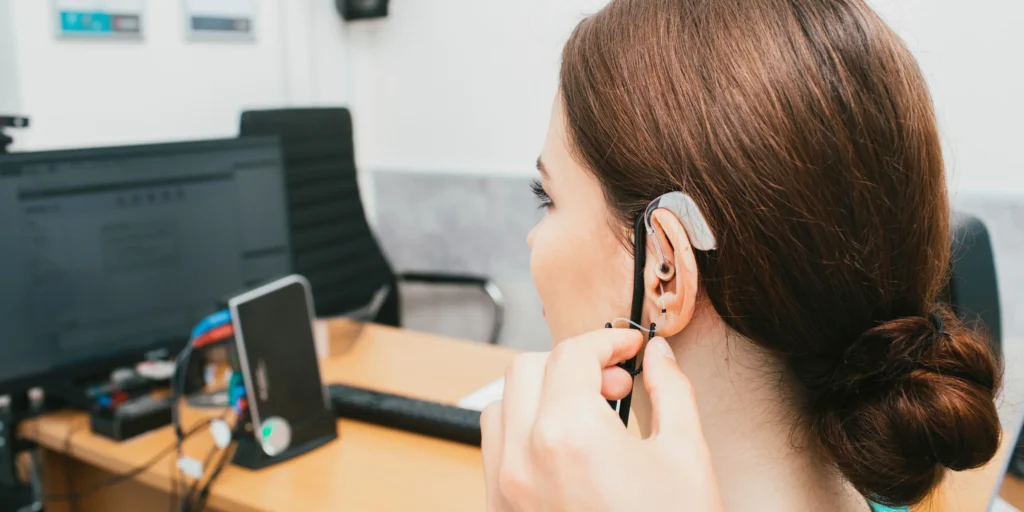
Hearing aid technology has come a long way in recent years. What used to be simple sound amplifiers are now smart, advanced devices that improve hearing, communication, and overall lifestyle. As technology continues to evolve, the future of hearing aids looks even more promising. From artificial intelligence to wireless connectivity, modern innovations are making hearing aids more powerful, comfortable, and user-friendly. In this blog, we will explore the future of hearing aid technology and how it will transform the way people experience sound. Evolution of Hearing Aids Earlier hearing aids were bulky, visible, and offered limited features. They mainly amplified sound without filtering noise, which often made listening uncomfortable. Today, digital hearing aids are small, discreet, and packed with advanced features such as noise reduction, feedback cancellation, and Bluetooth connectivity. With ongoing research and innovation, hearing aids are becoming smarter and more efficient, offering users a natural and personalized hearing experience. Key Trends Shaping the Future of Hearing Aids 1. Artificial Intelligence (AI) Integration Artificial Intelligence is playing a major role in transforming hearing aid technology. Future hearing aids will be able to automatically adjust settings based on your environment. For example, they can detect whether you are in a quiet room, crowded place, or outdoor setting and optimize sound accordingly. AI-powered hearing aids will also learn your preferences over time, providing a more personalized experience without manual adjustments. 2. Improved Sound Quality One of the main goals of future hearing aids is to provide more natural and clear sound. Advanced sound processing technologies will reduce background noise and enhance speech clarity, even in noisy environments. This means users will be able to enjoy conversations, music, and everyday sounds more comfortably and clearly. 3. Wireless Connectivity and Smart Features Modern hearing aids already offer Bluetooth connectivity, allowing users to connect their devices to smartphones, TVs, and other gadgets. In the future, this connectivity will become even more seamless. Users will be able to control their hearing aids through mobile apps, adjust settings, and even receive updates remotely. Integration with smart home devices and virtual assistants will also make hearing aids more convenient to use. 4. Rechargeable and Long-Lasting Batteries Battery technology is improving rapidly, and future hearing aids will come with longer-lasting rechargeable batteries. This eliminates the need for frequent battery replacements and makes the devices more eco-friendly. Some innovations may even include fast charging and wireless charging options for added convenience. 5. Health Monitoring Features One of the most exciting developments is the integration of health monitoring features. Future hearing aids may track physical activity, heart rate, and even detect falls. These features can be especially helpful for elderly users, providing both hearing support and health monitoring in a single device. 6. Smaller and More Discreet Designs As technology becomes more compact, hearing aids will continue to become smaller and less noticeable. Invisible or nearly invisible designs will offer maximum comfort and confidence to users. Despite their small size, these devices will still deliver powerful performance and advanced features. 7. Enhanced Tinnitus Management Future hearing aids will offer improved solutions for managing tinnitus (ringing in the ears). Advanced sound therapy and masking features will help reduce discomfort and improve quality of life for those affected by tinnitus. 8. Real-Time Language Translation One of the most innovative possibilities is real-time language translation. Future hearing aids may be able to translate spoken language instantly, helping users communicate easily in different languages. This feature can be extremely useful for travelers and professionals working in global environments. Benefits of Future Hearing Aid Technology The advancements in hearing aid technology will bring several benefits: These innovations will not only improve hearing but also help users stay connected and independent. Challenges and Considerations While the future looks promising, there are some challenges to consider: However, as technology becomes more common, prices are expected to become more affordable, making advanced hearing aids accessible to more people. How to Prepare for the Future If you are considering a hearing aid, it’s important to stay informed about the latest advancements. Consult a qualified audiologist who can guide you in choosing a device that suits your needs and can be upgraded as technology evolves. Regular hearing check-ups and early intervention also play a key role in getting the best results from hearing aids. Final Thoughts The future of hearing aid technology is exciting and full of possibilities. With innovations like artificial intelligence, wireless connectivity, health tracking, and improved sound quality, hearing aids are becoming more than just devices—they are becoming smart companions for better living. As these technologies continue to develop, users can look forward to a more comfortable, connected, and natural hearing experience. Investing in modern hearing solutions today can help you stay ahead and enjoy the benefits of future advancements. If you or someone you know is experiencing hearing difficulties, now is the perfect time to explore the latest hearing aid options and take a step toward a better hearing future.

The Future of Hearing Aid Technology Read Post »
Lifespan of Your Hearing Aids

How to Maximize the Lifespan of Your Hearing Aids

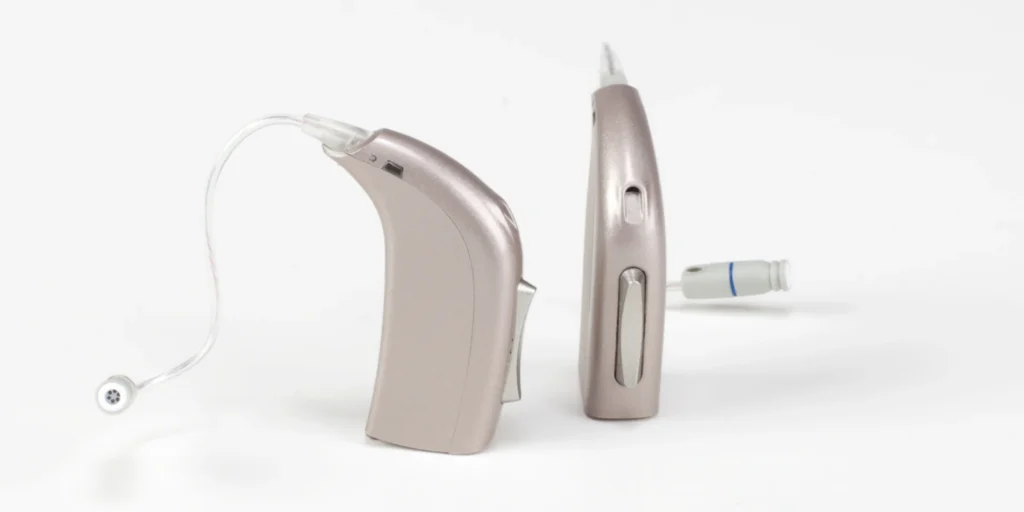
Hearing aids are a valuable investment that helps you stay connected to the world around you. Whether you use them for conversations, work, or daily activities, taking proper care of your hearing aids is essential to ensure they last longer and perform at their best. With the right maintenance and habits, you can extend the lifespan of your hearing aids and avoid frequent repairs or replacements. Why Proper Care of Hearing Aids is Important Hearing aids are delicate electronic devices that are exposed to moisture, dust, earwax, and daily wear and tear. Without proper care, their performance can decline over time. Regular maintenance not only improves sound quality but also ensures reliability and comfort. Well-maintained hearing aids can last between 3 to 7 years or even longer. Tips to Maximize the Lifespan of Your Hearing Aids 1. Keep Your Hearing Aids Clean Daily cleaning is one of the simplest ways to maintain your hearing aids. Use a soft, dry cloth or a special cleaning brush to remove earwax and debris. Avoid using water or cleaning agents, as moisture can damage internal components. Tip: Clean your hearing aids at the end of each day to prevent buildup. 2. Protect Them from Moisture Moisture is one of the biggest enemies of hearing aids. Sweat, humidity, and accidental exposure to water can damage sensitive electronics. What You Can Do: 3. Handle with Care Hearing aids are small and delicate, so handling them carefully is important. Dropping them or applying pressure can cause damage. Best Practice:Always hold them over a soft surface like a bed or table while inserting or removing them. 4. Store Them Properly When not in use, store your hearing aids in a protective case. Avoid leaving them in extreme temperatures, such as inside a car on a hot day or near heaters. Storage Tips: 5. Replace Batteries on Time If your hearing aids use disposable batteries, replace them as soon as they run low. Weak batteries can affect sound quality and performance. Pro Tip:Keep spare batteries with you, especially when traveling. 6. Avoid Earwax Build-Up Earwax can block the microphone and receiver, reducing sound clarity. Regular cleaning and using wax guards can help prevent this issue. Suggestion:Schedule periodic ear check-ups to manage excess earwax. 7. Schedule Regular Check-Ups Routine visits to your audiologist ensure your hearing aids are functioning properly. Professionals can clean, adjust, and fine-tune your devices for optimal performance. Recommended:Visit your hearing care specialist at least once or twice a year. 8. Use a Dehumidifier or Drying Kit A hearing aid dehumidifier removes moisture that builds up inside the device. This is especially useful in humid climates or for individuals who sweat more. Benefit:Prevents internal damage and extends device life. 9. Keep Away from Chemicals Hair sprays, perfumes, and cosmetics can damage hearing aids. Always remove your devices before applying such products. Tip:Put your hearing aids back on only after the products have dried completely. 10. Update and Maintain Settings Modern digital hearing aids often require occasional adjustments. Keeping the settings updated ensures better performance and reduces strain on the device. Signs Your Hearing Aids Need Maintenance Even with proper care, hearing aids may show signs of wear over time. Watch out for: If you notice any of these issues, consult your audiologist immediately. Benefits of Proper Hearing Aid Maintenance Taking care of your hearing aids offers several advantages: Common Mistakes to Avoid To ensure your hearing aids last longer, avoid these common mistakes: Final Thoughts Maximizing the lifespan of your hearing aids doesn’t require complicated steps—just consistent care and attention. By following simple daily habits like cleaning, proper storage, and regular check-ups, you can ensure your hearing aids remain in excellent condition for years. Remember, your hearing aids play a crucial role in your daily life. Taking good care of them not only protects your investment but also helps you enjoy clear, uninterrupted sound. If you ever face issues or need guidance, don’t hesitate to consult a hearing care professional. Start taking care of your hearing aids today and experience better performance, comfort, and long-term reliability.

How to Maximize the Lifespan of Your Hearing Aids Read Post »

Different Hearing Aid Styles

Understanding the Different Hearing Aid Styles

Hearing loss can affect people of all ages, making everyday communication challenging. Fortunately, modern hearing aids offer advanced solutions that not only improve hearing but also enhance overall quality of life. If you or a loved one is considering a hearing aid, understanding the different hearing aid styles can help you make the right choice based on comfort, lifestyle, and level of hearing loss. What Are Hearing Aids? Hearing aids are small electronic devices designed to amplify sound and deliver it clearly into the ear. They consist of a microphone, amplifier, and speaker, working together to improve sound clarity and speech understanding. Today’s digital hearing aids come with advanced features like noise reduction, Bluetooth connectivity, and rechargeable batteries. Why Choosing the Right Style Matters Selecting the right hearing aid style is important because it directly impacts comfort, performance, and ease of use. Each style is designed to suit specific hearing needs and personal preferences. Factors such as the degree of hearing loss, ear shape, lifestyle, and budget all play a role in determining the best option. Types of Hearing Aid Styles 1. Behind-the-Ear (BTE) Behind-the-Ear (BTE) hearing aids are one of the most common and powerful types. They sit comfortably behind the ear and are connected to an earmold or dome inside the ear canal. Key Features: Best For:Children, elderly individuals, and those who need a powerful hearing solution. 2. Receiver-in-Canal (RIC) Receiver-in-Canal (RIC) hearing aids are similar to BTE devices but are smaller and more discreet. The speaker (receiver) sits inside the ear canal, providing a more natural sound experience. Key Features: Best For:Adults with mild to moderate hearing loss who prefer a less visible option. 3. In-the-Ear (ITE) In-the-Ear (ITE) hearing aids are custom-made to fit the outer portion of the ear. They are slightly larger than canal-based devices, making them easier to handle. Key Features: Best For:People who want a balance between visibility and functionality. 4. In-the-Canal (ITC) In-the-Canal (ITC) hearing aids are smaller than ITE devices and fit partially inside the ear canal, offering a more discreet appearance. Key Features: Best For:Users who want a compact design without sacrificing performance. 5. Completely-in-Canal (CIC) Completely-in-Canal (CIC) hearing aids are among the smallest and most discreet options available. They fit deep inside the ear canal and are nearly invisible. Key Features: Best For:Individuals who prioritize appearance and have mild to moderate hearing loss. Features to Consider in Hearing Aids When choosing a hearing aid, it’s not just about the style. Modern devices come with a range of features that enhance usability and performance: How to Choose the Right Hearing Aid Choosing the right hearing aid involves more than just selecting a style. Here are some important factors to consider: It is always recommended to consult a qualified audiologist who can perform a detailed hearing assessment and suggest the most suitable option. Benefits of Using Hearing Aids Hearing aids do more than just amplify sound. They offer several long-term benefits: Final Thoughts Understanding the different hearing aid styles is the first step toward better hearing and improved communication. With various options available, there is a suitable hearing aid for every need and lifestyle. Whether you prefer a powerful Behind-the-Ear device or a discreet Completely-in-Canal model, modern hearing aids are designed to provide comfort, clarity, and convenience. If you are experiencing hearing difficulties, don’t ignore the signs. Early diagnosis and the right hearing solution can make a significant difference. Consult a hearing care professional and take the first step toward clearer hearing and a more confident life.

Understanding the Different Hearing Aid Styles Read Post »

Scroll to Top