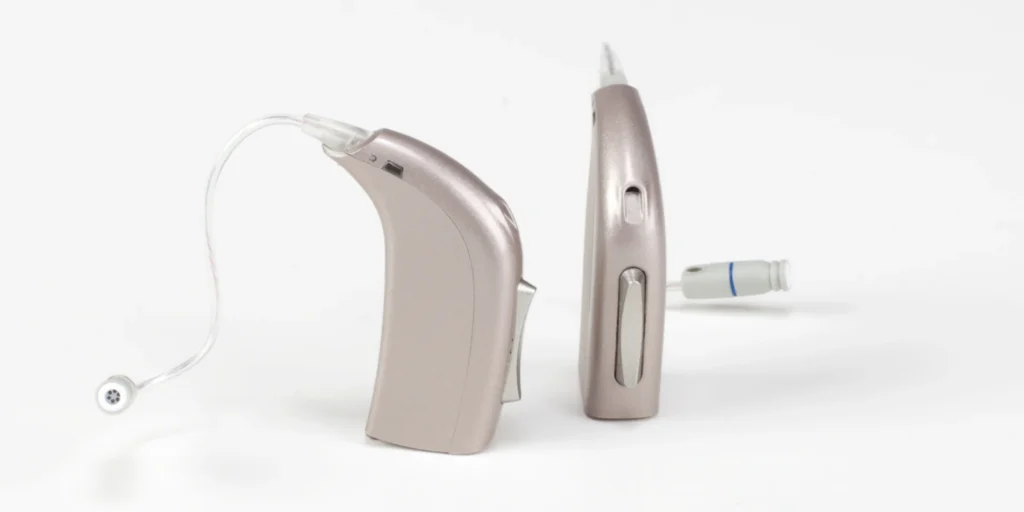

Hearing loss can affect people of all ages, making everyday communication challenging. Fortunately, modern hearing aids offer advanced solutions that not only improve hearing but also enhance overall quality of life. If you or a loved one is considering a hearing aid, understanding the different hearing aid styles can help you make the right choice based on comfort, lifestyle, and level of hearing loss.
What Are Hearing Aids?
Hearing aids are small electronic devices designed to amplify sound and deliver it clearly into the ear. They consist of a microphone, amplifier, and speaker, working together to improve sound clarity and speech understanding. Today’s digital hearing aids come with advanced features like noise reduction, Bluetooth connectivity, and rechargeable batteries.
Why Choosing the Right Style Matters
Selecting the right hearing aid style is important because it directly impacts comfort, performance, and ease of use. Each style is designed to suit specific hearing needs and personal preferences. Factors such as the degree of hearing loss, ear shape, lifestyle, and budget all play a role in determining the best option.
Types of Hearing Aid Styles
1. Behind-the-Ear (BTE)
Behind-the-Ear (BTE) hearing aids are one of the most common and powerful types. They sit comfortably behind the ear and are connected to an earmold or dome inside the ear canal.
Key Features:
- Suitable for mild to profound hearing loss
- Durable and easy to handle
- Larger size allows for more features and longer battery life
Best For:
Children, elderly individuals, and those who need a powerful hearing solution.
2. Receiver-in-Canal (RIC)
Receiver-in-Canal (RIC) hearing aids are similar to BTE devices but are smaller and more discreet. The speaker (receiver) sits inside the ear canal, providing a more natural sound experience.
Key Features:
- Slim and lightweight design
- Better sound clarity
- Comfortable for long-term use
Best For:
Adults with mild to moderate hearing loss who prefer a less visible option.
3. In-the-Ear (ITE)
In-the-Ear (ITE) hearing aids are custom-made to fit the outer portion of the ear. They are slightly larger than canal-based devices, making them easier to handle.
Key Features:
- Custom fit for comfort
- Easy to insert and remove
- Can include additional features like volume control
Best For:
People who want a balance between visibility and functionality.
4. In-the-Canal (ITC)
In-the-Canal (ITC) hearing aids are smaller than ITE devices and fit partially inside the ear canal, offering a more discreet appearance.
Key Features:
- Less visible than ITE
- Comfortable fit
- Good sound quality for moderate hearing loss
Best For:
Users who want a compact design without sacrificing performance.
5. Completely-in-Canal (CIC)
Completely-in-Canal (CIC) hearing aids are among the smallest and most discreet options available. They fit deep inside the ear canal and are nearly invisible.
Key Features:
- Very discreet design
- Natural sound quality
- Minimal external visibility
Best For:
Individuals who prioritize appearance and have mild to moderate hearing loss.
Features to Consider in Hearing Aids
When choosing a hearing aid, it’s not just about the style. Modern devices come with a range of features that enhance usability and performance:
- Noise Reduction: Reduces background noise for clearer conversations
- Directional Microphones: Focus on sounds coming from a specific direction
- Bluetooth Connectivity: Connects to smartphones and other devices
- Rechargeable Batteries: Eliminates the need for frequent battery replacement
- Feedback Cancellation: Prevents whistling sounds
How to Choose the Right Hearing Aid
Choosing the right hearing aid involves more than just selecting a style. Here are some important factors to consider:
- Degree of Hearing Loss: Mild, moderate, or severe
- Lifestyle Needs: Active lifestyle, work environment, or social settings
- Comfort and Fit: Custom or standard fit options
- Budget: Different styles come at different price points
- Technology Preferences: Basic vs. advanced features
It is always recommended to consult a qualified audiologist who can perform a detailed hearing assessment and suggest the most suitable option.
Benefits of Using Hearing Aids
Hearing aids do more than just amplify sound. They offer several long-term benefits:
- Improved communication and speech understanding
- Better social interaction and confidence
- Reduced listening effort and fatigue
- Enhanced safety by increasing awareness of surroundings
- Improved overall quality of life
Final Thoughts
Understanding the different hearing aid styles is the first step toward better hearing and improved communication. With various options available, there is a suitable hearing aid for every need and lifestyle. Whether you prefer a powerful Behind-the-Ear device or a discreet Completely-in-Canal model, modern hearing aids are designed to provide comfort, clarity, and convenience.
If you are experiencing hearing difficulties, don’t ignore the signs. Early diagnosis and the right hearing solution can make a significant difference. Consult a hearing care professional and take the first step toward clearer hearing and a more confident life.